How Durable Are Wood and Tungsten Rings?
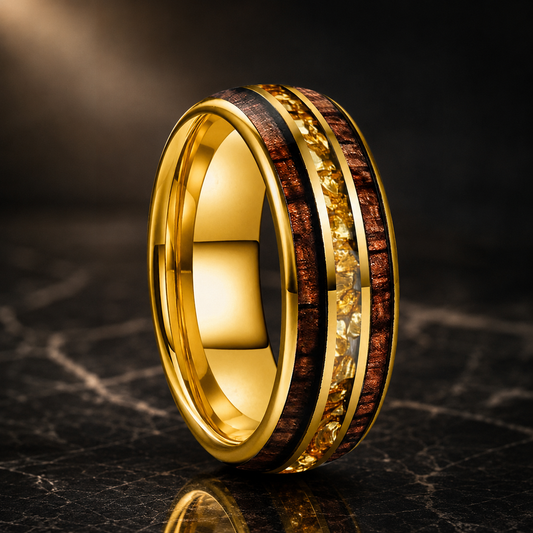
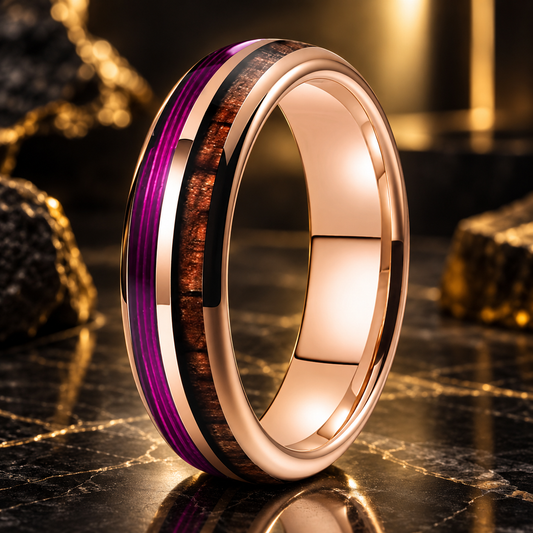
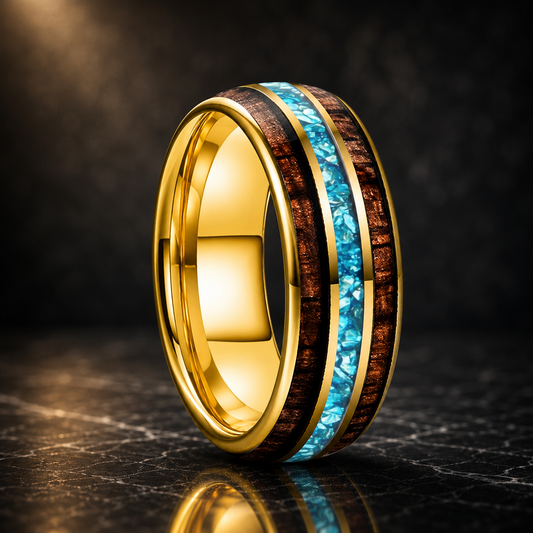
Durability is usually the first practical question buyers ask once they've decided they like the look of a wood inlay tungsten ring — and it's a fair question, since combining a famously hard metal with a naturally soft material seems, at first glance, like a contradiction. Understanding how the two actually work together explains why that combination holds up far better than most people expect.
The Short Answer
Wood and tungsten rings are built to withstand daily wear because the tungsten does the structural work while the wood provides the visual character. Tungsten carbide is one of the hardest metals used in jewelry, resisting scratches, dents, and everyday impact significantly better than gold, silver, or platinum. The wood inlay sits protected within that structure rather than exposed as a load-bearing material, which is what allows the ring to survive daily activities that would damage a ring made purely of solid wood.
Why Tungsten Carbide Specifically
Tungsten carbide sits near the top of the hardness scale used for jewelry metals, which translates directly into scratch resistance most other metals can't match. Where gold and platinum gradually dull and require periodic polishing, tungsten carbide holds its finish through years of regular contact with tools, gym equipment, and ordinary hand use, with essentially no maintenance required to keep its original appearance. That hardness is the foundation that makes the entire wood-and-metal combination viable for daily wear in the first place.
How the Wood Inlay Is Actually Protected
The wood in these rings isn't left exposed the way it would be in a solid wood ring — it's inlaid into a channel within the tungsten band, sealed and stabilized before being set. That construction protects the wood from direct impact, moisture, and the kind of surface contact that would otherwise cause it to crack, warp, or wear down over time. The tungsten structure absorbs the physical stress of daily wear, while the wood contributes color and grain without needing to withstand that stress on its own.
What Actually Limits Durability
No ring is entirely indestructible, and it's worth being clear about where wood inlay rings do have real limitations. Extreme, sustained moisture exposure — long-term submersion, rather than normal showering or hand-washing — can affect the wood over time if the seal is compromised. Direct, forceful impact against a hard edge, while unlikely to damage the tungsten itself, could theoretically chip an inlay in a worst-case scenario, similar to how any inlay material (stone, shell, or wood) carries some risk under extreme impact. These are edge cases rather than everyday concerns, but they're worth knowing rather than assuming the ring is completely impervious to everything.
Comparing Durability to Traditional Metal Bands
Compared to a traditional gold or platinum wedding band, a wood tungsten ring generally comes out ahead on day-to-day scratch resistance and maintenance, while traditional metals retain an advantage in one specific area: resizing. Tungsten carbide's hardness, the same property that makes it scratch-resistant, also makes it essentially impossible to resize after manufacturing. That's a real tradeoff worth factoring in, but it doesn't diminish the ring's ability to withstand daily wear — it simply means sizing needs to be accurate before ordering rather than adjusted afterward.
What Daily Wear Actually Looks Like
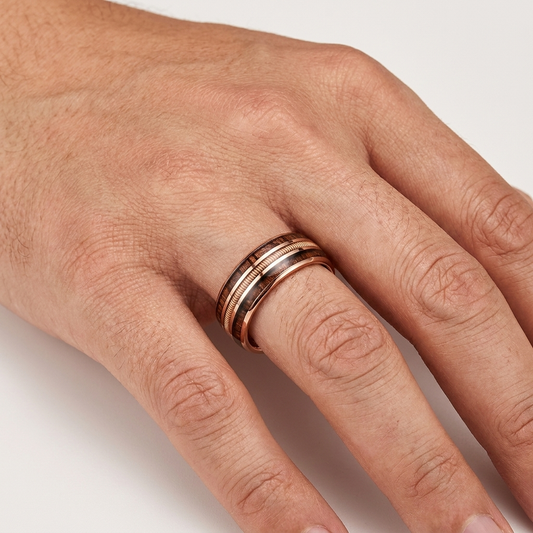
For most buyers, "durable" really means: can I wear this at work, at the gym, doing chores, and not worry about it. Wood tungsten rings are built specifically for that scenario. The tungsten shell resists the scratching and dulling that would show up on a softer metal within months, and the sealed wood inlay holds its color and finish through normal daily exposure to water, sunlight, and skin contact. The full collection is built around comfort-fit tungsten cores specifically to support this kind of everyday, no-second-thought wear.
Caring for Long-Term Durability
While these rings require far less maintenance than traditional metals, a few simple habits extend their life further: avoiding harsh chemical exposure (cleaning products, chlorine in pools) where possible, drying the ring after prolonged water exposure rather than leaving it wet, and avoiding storing it in direct, prolonged sunlight that could gradually affect the wood's color over years. None of this is high-maintenance upkeep — it's closer to basic common sense than an active care routine.
The Bottom Line on Durability
The pairing of tungsten and wood isn't a compromise between beauty and durability — it's specifically designed so each material does the job it's best suited for. The tungsten handles the structural demands of daily wear, and the wood delivers the visual warmth and individuality that a plain metal band can't. For anyone deciding between a striking design and a ring that can actually take a beating, wood tungsten rings are built to offer both at once.